
What is Fibromyalgia?
Fibromyalgia is a long-term condition that causes widespread pain, marked fatigue and tenderness throughout the body. It affects the way the brain and spinal cord process pain signals, making the nervous system more sensitive and causing normal sensations to be perceived as painful. This leads to multisystem hypersensitivity. This process is often referred to as central sensitisation.
In addition to pain, people with fibromyalgia commonly experience:
- Persistent fatigue, even after sleeping
- Poor or unrefreshing sleep
- Problems with memory, concentration and thinking clearly (often called "fibro fog")
- Headaches
- Mood changes, including anxiety or low mood
- Increased sensitivity to touch, noise, light or temperature
Fibromyalgia can have a significant impact on daily activities, work, relationships and overall quality of life.
The condition is diagnosed more frequently in women than in men, with women affected approximately twice as often. However, fibromyalgia in men is thought to be under-recognised. Men may be less likely to seek medical advice or describe their symptoms, which can delay diagnosis and treatment.
Although fibromyalgia is a chronic condition, it is not a progressive disease and does not cause damage to the joints, muscles or nerves. With the right combination of education, self-management, exercise, sleep optimisation, medication where appropriate, and psychological support, many people are able to improve their symptoms and regain control of their lives.
Unfortunately, delays in diagnosis are common. Many people live with symptoms for several years before receiving the correct diagnosis.
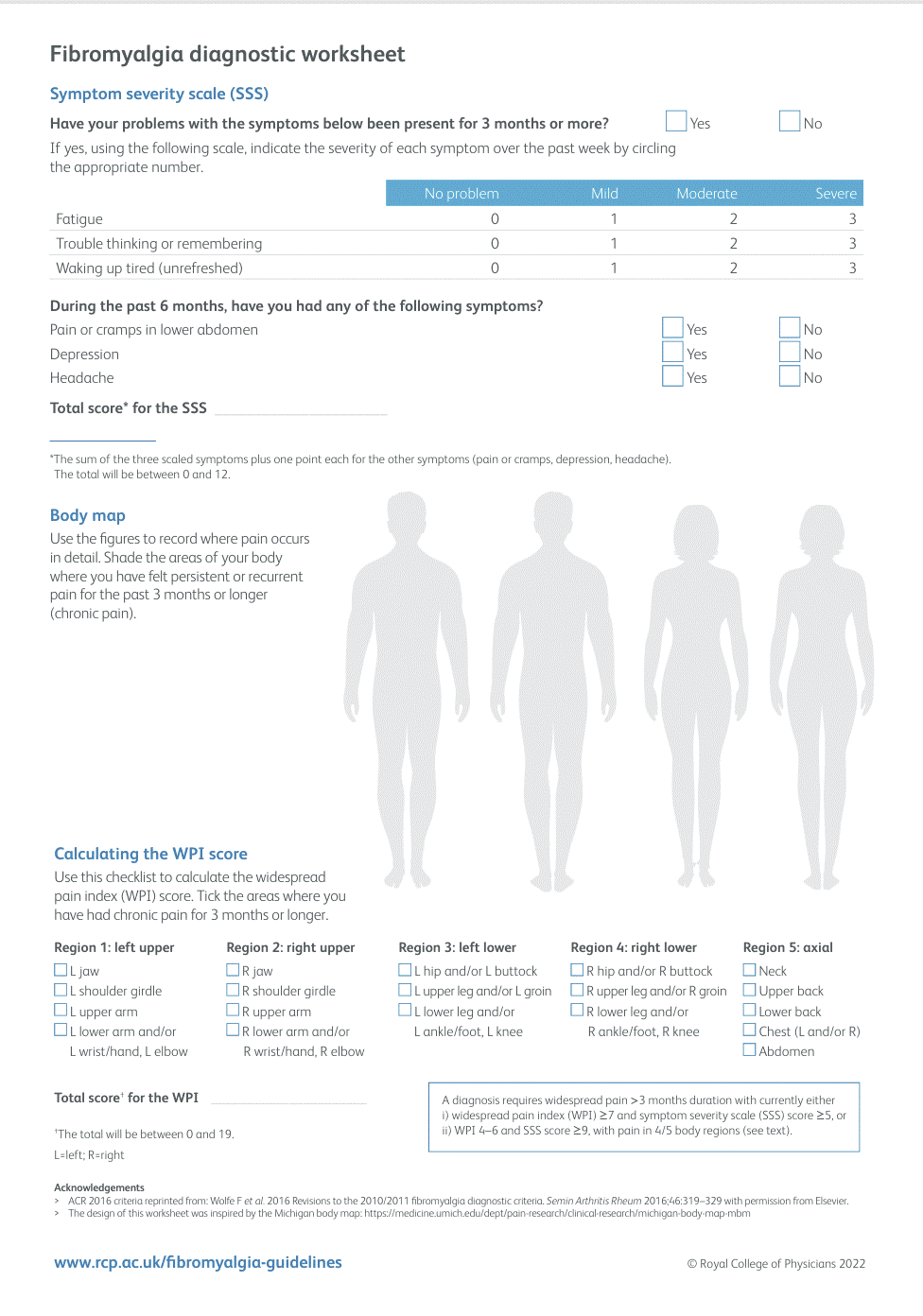
Fibromyalgia is diagnosed through a detailed medical history and physical examination. There is no blood test, MRI scan, or other investigation that can confirm the diagnosis. Investigations may be arranged where appropriate to identify disorders that may coexist with fibromyalgia.
Fibromyalgia is not a diagnosis of exclusion. It can coexist with a wide range of rheumatological, neurological, endocrine (hormonal), surgical, and other medical conditions. A diagnosis of fibromyalgia does not exclude the possibility of another underlying medical disorder. New or changing symptoms should never be assumed to be due to fibromyalgia alone and should always be assessed on their own merits.

Common Symptoms
- Persistent, widespread muscle and joint pain
- Low back pain (is often the main pain site in most patients with FM)
- Neck and shoulder pain (is the second most common pain site in patients with FM)
- Fatigue, even after a full night's sleep
- Sleep disturbances or non-restorative sleep
- Brain fog
- Headaches or migraines
- Temporo-mandibular joint Pain (Jaw pain)
- Bruxism
- Sensitivity to bright lights, sounds and odour
- Irritable bowel symptoms
- Irritable bladder
Common Symptoms
- Pelvic pain (females and males)
- Mood disorders such as anxiety or depression
- Restless legs
- Dizziness or vertigo
- Tinnitus
- POTS
- Rash
- Mixed anxiety and depression
- Inability to ‘switch off’ the brain
- Winter flares
- Sensitivity to light
- Sensitivity to sounds
- Multiple drug and chemical intolerance
Management of Fibromyalgia:
Managing fibromyalgia requires a multidisciplinary approach. There is no single cure, but symptoms can be controlled with the right combination of therapies from various healthcare professionals.

Lifestyle and Self-Care:
- Regular Low-Impact activity: Activities such as walking, swimming, pool-based exercise, Tai Chi, or yoga can help reduce pain, improve physical function, and enhance overall wellbeing.
- Sleep Hygiene: Maintaining regular sleep habits and adopting good sleep practices is an important part of managing persistent pain and reducing fatigue.
- Pacing Principles: Learn how to balance activity and rest, gradually increase activity levels, and avoid the "boom-and-bust" cycle that commonly occurs in persistent pain conditions.
- Stress Management: Techniques such as mindfulness, meditation, breathing exercises, relaxation techniques, and psychological therapies can help reduce the impact of stress on the nervous system.
- Dietary changes: Diet can affect may symptoms in patients with fibromyalgia. a variety of dietary options could be explored. This can be explored from the webpage: Diet for fibromyalgia.
- Pain Management Programmes: Structured programmes based on Cognitive Behavioural Therapy (CBT) and Acceptance and Commitment Therapy (ACT) can help improve coping strategies, reduce the impact of pain on daily life, and support long-term self-management.
- A Beginners Guide to Fibromyalgia published by adfm- fibromyalgia awareness association from Spain. This guide is free to access from their website. You may also access a copy by clicking the title.
-
Self-Management Programmes
Community- and charity-based self-management programmes can play an important role in helping people live well with persistent pain. These programmes provide practical education and support to help you better understand your condition, build confidence, develop effective coping strategies, and connect with others who have similar experiences.
In Northern Ireland, Versus Arthritis offers a free self-management programme that is available to all eligible patients. The programme can help you gain the knowledge, skills, and confidence to take an active role in managing your pain and improving your quality of life.
You can refer yourself directly to the Northern Ireland Arthritis UK programme using this link.




Complementary Therapies:
- Yoga: Gentle, paced yoga can improve flexibility, strength, balance, breathing, and body awareness. It may help reduce pain, improve sleep, and lessen stress when practised regularly within your own limits.
- Tai Chi: Tai Chi combines slow, controlled movements with breathing and mindfulness. It has good evidence for improving pain, physical function, balance, and quality of life in people with persistent musculoskeletal pain and fibromyalgia.
- Pool-Based Rehabilitation (Hydrotherapy): Exercising in warm water reduces the load on joints and muscles, making movement easier and less painful. It is particularly beneficial for people with widespread pain, fibromyalgia, arthritis, or reduced mobility.
- Acupuncture: Some patients experience worthwhile pain relief from acupuncture. It may be considered as part of a broader pain management programme, although responses vary between individuals.
- Gentle Massage Therapy: Gentle massage may help reduce muscle tension, improve relaxation, and provide temporary relief from myofascial pain. Deep tissue massage is not suitable for everyone and may temporarily worsen symptoms in some patients with central sensitisation.
- Music Therapy: Listening to or actively engaging with music can promote relaxation, reduce stress and anxiety, distract from pain, and improve mood. It is often used alongside other pain management strategies.
- Art Therapy: Creative activities such as drawing, painting, or crafts can help people express emotions, reduce stress, improve coping skills, and enhance overall wellbeing while living with persistent pain.
- Nutritional Advice and Supplements: A balanced diet supports general health and recovery. Where appropriate, nutritional advice and selected supplements may be recommended following clinical assessment or under the guidance of a suitably qualified healthcare professional.


Possible Causes and Triggers:
While the exact cause is unknown, fibromyalgia is believed to involve a mix of:
- Genetics – it may run in families
- Trauma or infection – physical injury, RTA or illnesses can sometimes trigger it
- Adverse childhood experiences (ACEs) are more common in people living with fibromyalgia than in the general population
- Stress – emotional or psychological stress is a known aggravator
- Occupational Exposure: prolonged physical and psychological stress in certain occupations.
- Environmental triggers
How Can We Help?
At PainClinicNI, we offer a comprehensive, evidence-based approach to low back pain. Our services include:
- Comprehensive pain assessments
- Help you understand this disorder
- Medication optimisation
- Guidance on individualised long term strategy (exercise, lifestyle changes, and emotional wellbeing)
- Trigger point injections for specific triggers in the neck or lower back
- Occipital Nerve Block if pain is mostly in the scalp muscles
- Lidocaine Infusions
Our goal is to help you understand your pain, regain control, improve your quality of life, and live well despite fibromyalgia.
