
What are oro-facial pain conditions?
Orofacial pain conditions include:
- Temporomandibular disorders (TMD)
- Trigeminal neuralgia
- Trigeminal neuralgia with continuous background pain
- Trigeminal neuropathy
- Trigeminal autonomic cephalalgias (TACs)
- Persistent idiopathic facial pain (previously known as atypical facial pain
- Post-herpetic neuralgia affecting the face
- Post-traumatic facial pain
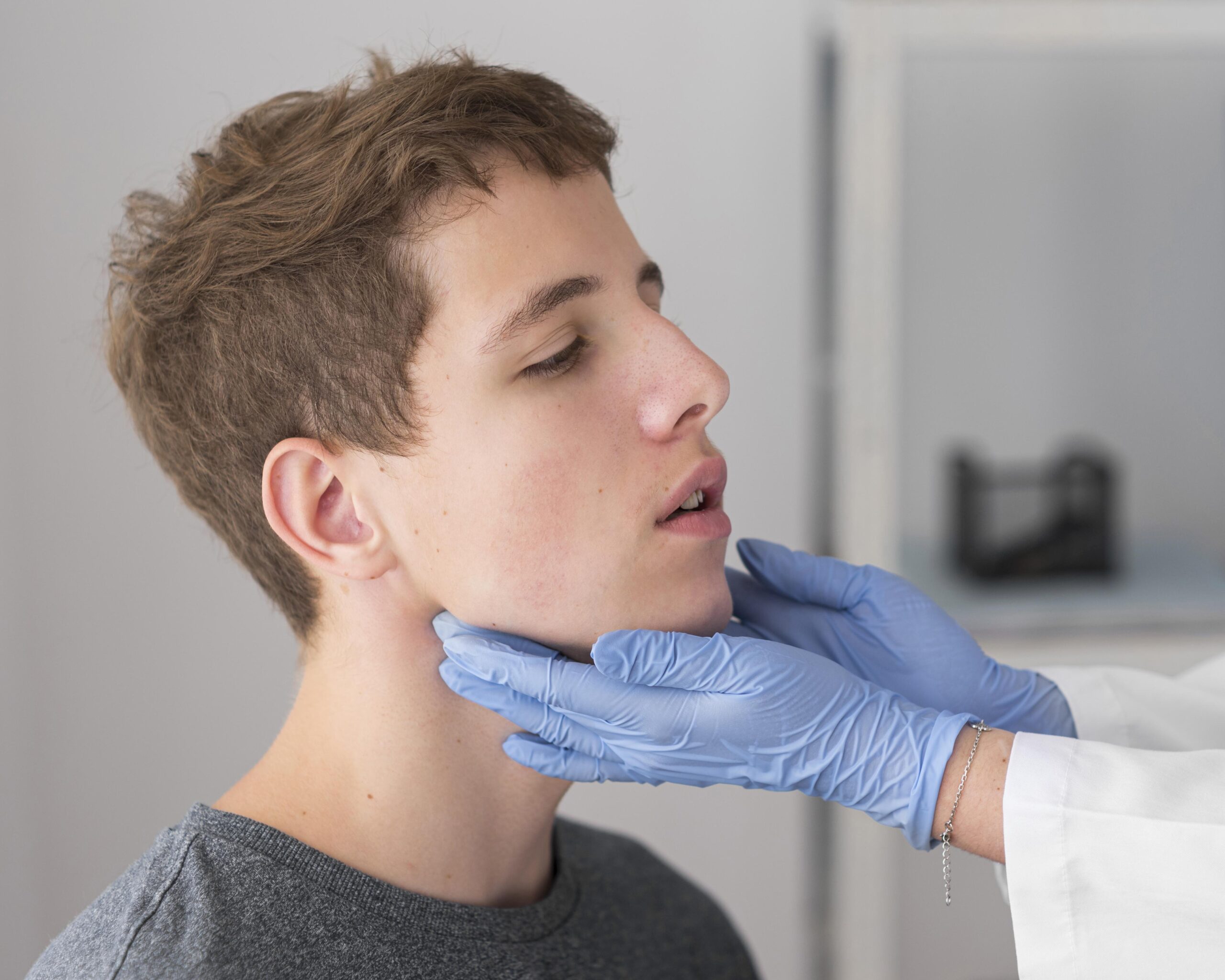
How can Botox® help facial pain?
Botox® may help relieve certain orofacial pain conditions by reducing overactivity of the jaw and facial muscles, decreasing muscle tension, and modulating pain signalling. In appropriately selected patients, it may reduce the frequency, severity and duration of pain episodes. Individual responses vary, and not everyone will benefit.
Botox® may be considered when:
- Night-time teeth grinding (bruxism) is contributing to jaw pain or tooth wear.
- Temporomandibular disorders (TMD) have not responded adequately to splints, physiotherapy or medications.
- Jaw muscle overactivity is contributing to headaches or facial pain.
- Selected neuropathic facial pain conditions, such as trigeminal neuralgia, trigeminal neuropathy or persistent idiopathic facial pain, have not responded adequately to conventional treatments.
Expected Benefits
- Fewer migraine days per month
- Less need for painkillers or triptans
- Improved sleep, energy, and concentration
- Better quality of life
“Most patients notice improvement by their second or third treatment cycle.”
Is Botox® safe?
Yes. Botox® has an established safety profile when administered by appropriately trained healthcare professionals. In the UK and Ireland, it is licensed for the prevention of chronic migraine, but its use for most orofacial pain conditions is off-label.
Off-label prescribing is common in specialist pain medicine when supported by the available evidence, clinical experience and national guidance.
Before treatment, please let us know if you:
- Are pregnant, planning a pregnancy, or breastfeeding.
- Have a muscle or nerve disorder (such as myasthenia gravis or Lambert–Eaton myasthenic syndrome).
- Have previously experienced an allergic reaction to Botox® or any of its ingredients.
- Have an infection at or near the proposed injection site.
- Are taking medications that may affect nerve or muscle function (for example, aminoglycoside antibiotics or muscle relaxants).
Your clinician will discuss the potential benefits, risks and alternatives with you before deciding whether Botox® is appropriate for your condition.
Side Effects
Very Common side effects
(may affect more than 1in 10 patients):
- Mild bruising or pain at injection sites
Common side effects
(may affect up to 1in 10 patients):
- Temporary difficulty chewing or smiling
- Jaw weakness
- Neck weakness
Rare side effects
(may affect up to 1 in 1,000 patients):
- Flu-like symptoms.
- Temporary difficulty swallowing (dysphagia), particularly after injections around the neck.
- Generalised muscle weakness or botulinum toxin spread causing botulism-like symptoms. This is extremely rare at the doses used in our clinic but may require urgent medical assessment if it occurs.
Most side effects are mild and temporary.
⚠️ If you experience muscle weakness, avoid driving or using heavy machinery.
Treatment Plan at PainClinicNI
- Consultation – confirm diagnosis and suitability
- Initial Botox® Injections – carefully targeted into the jaw, temples and occipital muscles
- Review of treatment at 3–6 months to plan further treatment if needed
Our Clinical Insight
We believe BOTOX is an excellent option when:
- Jaw clenching or grinding is causing significant pain
- Medications or mouth splints are not enough
- Minimally invasive treatments are preferred over surgery
“Jaw pain can be life-disrupting. BOTOX offers a powerful yet gentle way to restore comfort and function.”