
What is Chronic Pelvic Pain Syndrome?
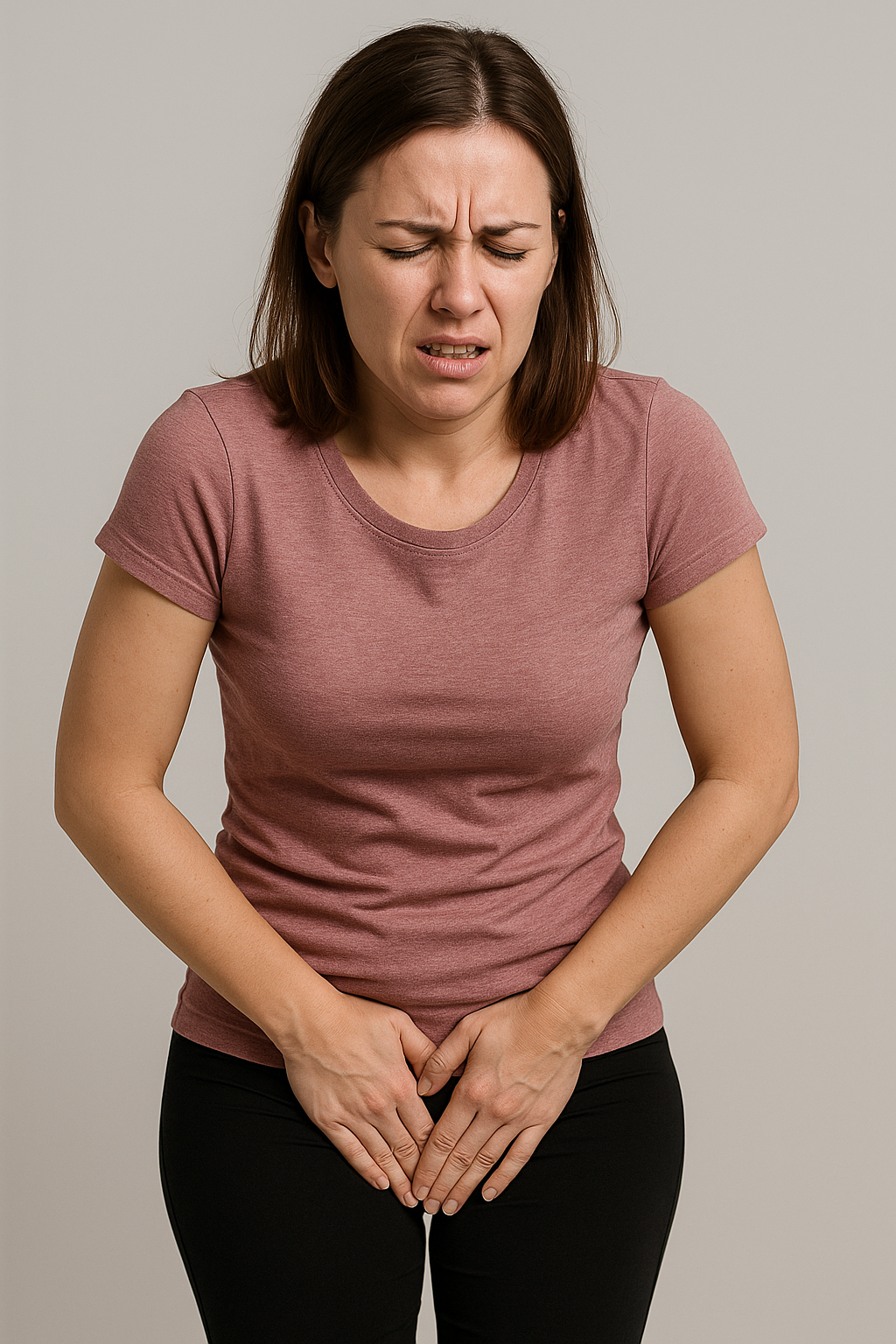
Chronic Pelvic Pain Syndrome (CPPS) is persistent pain felt in the lower abdomen, pelvis, groin, buttocks, or genital region that lasts for more than three months. It can affect both women and men and is often complex, involving the muscles, nerves, joints, and the way the nervous system processes pain.
Chronic Pelvic Pain Syndrome (CPPS) is a common but often under-recognised condition that affects both women and men.
- Women: Approximately 15–25% of women experience chronic pelvic pain at some point in their lives, making it one of the most common reasons for referral to gynaecology and pain services. Around 1 in 6 women have persistent pelvic pain lasting more than three months.
- Men: Approximately 2–10% of men are affected by chronic pelvic pain syndrome. The most common form is chronic prostatitis/chronic pelvic pain syndrome (CP/CPPS), which accounts for around 90–95% of prostatitis diagnoses.
In many people, the original cause of the pain (such as surgery, childbirth, infection, endometriosis, prostatitis, trauma, or inflammation) has resolved, but the nervous system continues to amplify pain signals. This process, known as central sensitisation, means the pain becomes a condition in its own right rather than simply a symptom of ongoing tissue damage.
Symptoms vary widely and may include aching, burning, stabbing, or pressure-like pain, pain during sitting, walking, sexual activity, urination, or bowel movements, as well as pelvic floor muscle tightness. Many people also experience fatigue, poor sleep, anxiety, bladder or bowel symptoms, and pain in other parts of the body.
What Causes Chronic Pelvic Pain Syndrome?
Chronic Pelvic Pain Syndrome (CPPS) usually develops from more than one contributing factor, and in many people there is no single identifiable cause. It often results from an interaction between the muscles, nerves, internal organs, joints, and the nervous system.
Common causes and contributing factors include:
- Pelvic floor muscle dysfunction – tight, overactive, or painful pelvic floor muscles are among the most common causes.
- Nerve-related pain – irritation or entrapment of nerves such as the pudendal, ilioinguinal, genitofemoral, obturator, or cluneal nerves.
- Central sensitisation (nociplastic pain) – the nervous system becomes overly sensitive, amplifying pain signals even when there is little or no ongoing tissue damage. This commonly coexists with fibromyalgia, chronic fatigue syndrome, IBS, migraine, and other persistent pain conditions.
- Previous surgery or injury – including hernia repair, caesarean section, hysterectomy, prostate surgery, vasectomy, or trauma to the pelvis.
- Gynaecological conditions – such as endometriosis, adenomyosis, pelvic adhesions, or persistent pain after successful treatment of these conditions.
- Urological disorders – including chronic prostatitis/chronic pelvic pain syndrome (CP/CPPS), interstitial cystitis (painful bladder syndrome), or persistent urinary symptoms.
- Gastrointestinal disorders – particularly irritable bowel syndrome (IBS), inflammatory bowel disease, or chronic constipation.
- Hip, sacroiliac joint, or lower back problems – pain from these structures may be felt in the pelvis or groin.
- Persistent inflammation or infection – occasionally pain continues even after the original infection or inflammation has resolved.
- Psychological and social factors – stress, anxiety, depression, poor sleep, previous trauma, and occupational or family pressures do not cause the pain but can increase its intensity and make recovery more difficult.
In many patients, several of these factors occur together. Identifying the dominant pain mechanism is the key to choosing the most appropriate treatment, which may include pelvic floor physiotherapy, medication optimisation, psychological support, lifestyle changes, and selected image-guided pain interventions.



What Can PainClinicNI Offer?
At Pain Clinic NI, we provide a comprehensive assessment to identify the underlying pain mechanisms contributing to your chronic pelvic pain. Our aim is not only to reduce pain but also to improve function, confidence, and quality of life.
Depending on your symptoms and clinical assessment, we may offer:
- A detailed specialist assessment to determine whether your pain is primarily nerve-related, muscular, joint-related, or due to central sensitisation.
- Education and self-management strategies, helping you understand the causes of persistent pain and develop practical techniques to regain control.
- Medication optimisation, reviewing your current medications and recommending evidence-based alternatives where appropriate. In line with HSC Northern Ireland prescribing guidance, we do not prescribe scheduled pain medications for chronic pain.
- Trial of Lidocaine infusions to help dampen down central sensitisation.
- Image-guided pain interventions for carefully selected patients, including
- Trigger point injections
- Abdominal wall nerve blocks (for conditions such as ACNES),
- Pudendal nerve blocks
- Ilioinguinal nerve block
- Genitofemoral nerve blocks, and
- Sacroiliac joint injections where clinically indicated.
- Referral to specialist pelvic floor physiotherapy, where muscle overactivity or pelvic floor dysfunction is contributing to symptoms.
- Advice on lifestyle measures, including pacing, exercise, sleep optimisation, stress management, and graded return to activity.
- Coordination with your GP and other specialists, such as gynaecologists, urologists, colorectal surgeons, gastroenterologists, or pelvic health physiotherapists, to ensure a multidisciplinary approach.