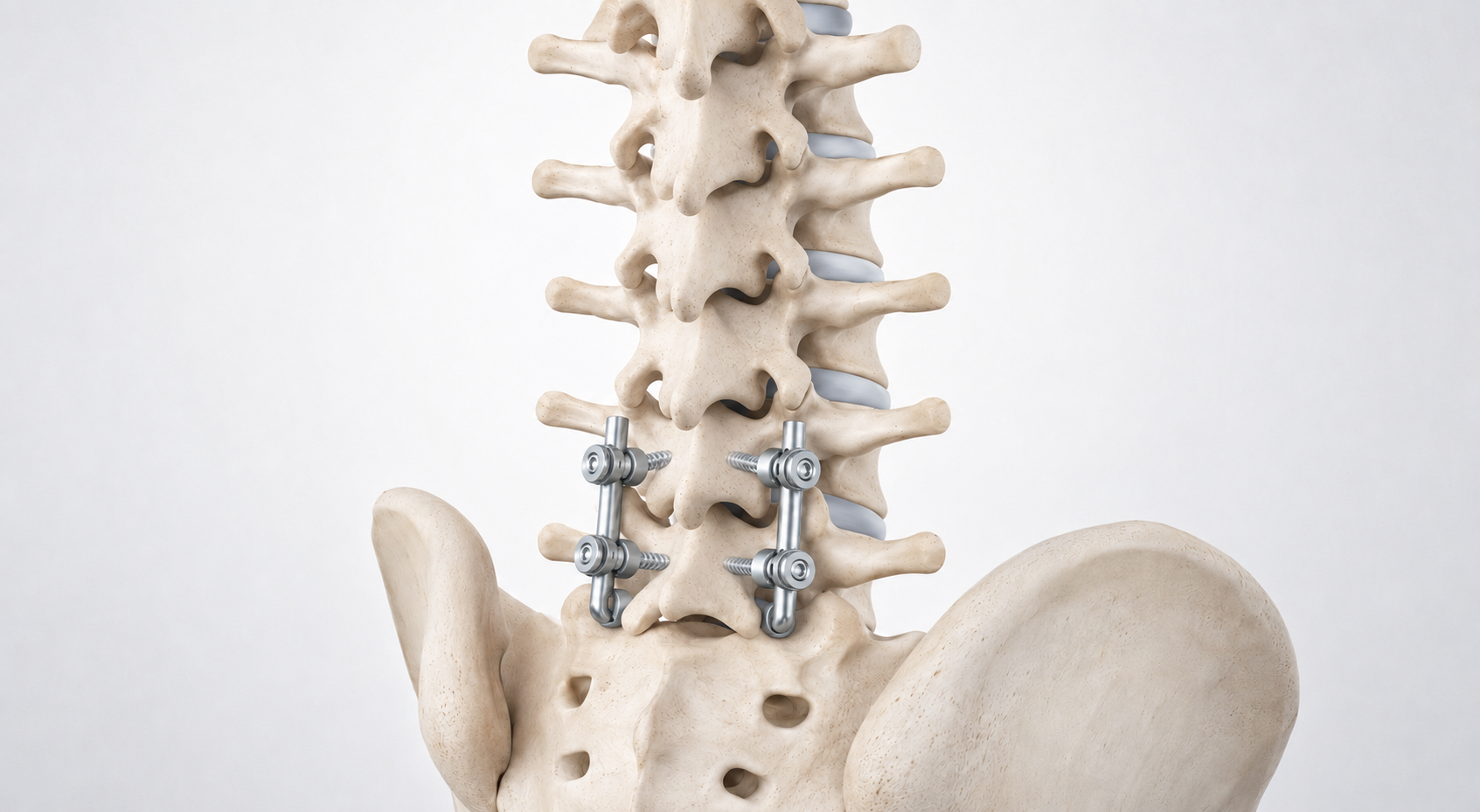
What is Failed Back Surgery Syndrome (FBSS)?
Failed Back Surgery Syndrome (FBSS), also known as Persistent Spinal Pain Syndrome (PSPS Type 2), refers to persistent or recurrent back and/or leg pain that continues despite one or more spinal operations. Although many people undergo surgery with good outcomes, a proportion continue to experience pain months or years after their procedure.
Persistent pain does not necessarily mean that the surgery has failed. In many cases, the original problem has been successfully treated, but pain may continue due to scar tissue around nerves, ongoing nerve injury, degeneration at adjacent spinal levels, persistent inflammation, altered spinal mechanics, or changes in the way the nervous system processes pain (central sensitisation).
The aim of treatment is not simply to identify another structural abnormality but to understand the underlying pain mechanism and develop a personalised management plan to improve pain, function, and quality of life.
What are the Symptoms?
Symptoms vary from person to person and may include:
- Persistent low back pain despite previous spinal surgery
- Pain radiating into one or both legs (sciatica)
- Burning, shooting, or electric shock-like pain
- Numbness, tingling, or altered sensation in the legs or feet
- Weakness or heaviness in the affected limb
- Pain that worsens with standing, walking, or prolonged sitting
- Difficulty sleeping because of pain
- Reduced mobility and difficulty returning to work or normal activities
- Anxiety, frustration, low mood, or fear of movement due to ongoing pain
Some patients experience predominantly mechanical back pain, while others have mainly neuropathic (nerve) pain. Many have a combination of both.
What are the Treatment Options?
Treatment depends on the underlying cause of your symptoms and usually involves a multidisciplinary approach rather than a single treatment.
Your treatment plan may include:
- Education about persistent pain and the factors maintaining symptoms
- Medication optimisation, including treatment of neuropathic pain where appropriate
- Physiotherapy to improve strength, mobility, and confidence in movement
- Lifestyle measures, pacing, weight management, and regular exercise
- Psychological approaches, such as pain management programmes, CBT, or ACT where appropriate
- Image-guided spinal injections or nerve blocks in carefully selected patients when a specific pain source has been identified
- Radiofrequency denervation for facet joint pain, if diagnostic injections confirm the facet joints as the source of pain
- Epidural steroid injections or selective nerve root blocks for selected patients with ongoing nerve root inflammation
- Lidocaine Infusion may be considered and trialled if central sensitisation is evident.
- Referral for specialist spinal review if new neurological symptoms or surgically correctable pathology are suspected
- Spinal Cord Stimulation (SCS) – Although Pain Clinic NI does not provide spinal cord stimulator implantation, patients who may benefit from this treatment can be referred to the Health Service, where assessment and treatment are provided through specialist NHS pain management services.
Successful management focuses on improving function and quality of life, reducing pain where possible, and helping you regain confidence in daily activities. While complete pain relief cannot be guaranteed, many patients achieve meaningful improvements through a combination of evidence-based treatments tailored to their individual needs.